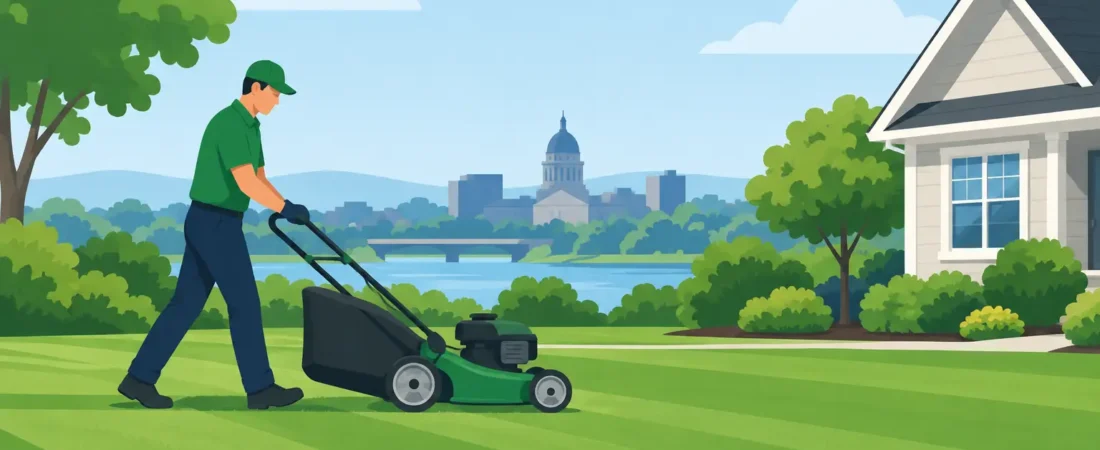
A lawn mowing service Canton homeowners can count on does more than make the grass look shorter. It keeps the property presentable between busy workweeks, helps rental homes show well, and gives owners one less outdoor task to manage. The difference is usually not the mower. It is the plan, the consistency, and knowing exactly what happens at each visit.
For homes, rentals, offices, and small commercial properties, mowing needs can change quickly with southeast Michigan weather. Spring growth can be fast, summer heat can slow it down, and a missed week can leave a lawn looking neglected. A dependable provider explains the scope before work begins, communicates when conditions affect the schedule, and leaves the property neat when the visit is complete.
What a Lawn Mowing Service in Canton Should Include
A basic mowing visit should start with a cut appropriate for the lawn’s growth and condition. Cutting too low may look tidy for a few days, but it can stress the grass, expose soil to heat, and encourage weeds. A better approach is to maintain a healthy height while keeping the property orderly.
Mowing is only part of the result. Most well-kept properties also need trimming around fences, landscaping, foundations, mailbox posts, and other areas the mower cannot reach. Edging along walkways and driveways creates a cleaner line, while blowing grass clippings off hard surfaces finishes the job properly.
The exact scope should be written down. Ask whether the service includes mowing, trimming, edging, and cleanup after every regular visit. If bagging, leaf removal, brush hauling, or disposal is needed, those items may be priced separately. That is reasonable when it is explained before the work begins. No vague scope means fewer surprises later.
Weekly Care Is Usually the Best Starting Point
For many Canton properties, weekly mowing is the practical choice during active growing season. It prevents the lawn from getting too tall, keeps clippings manageable, and maintains a consistent appearance for neighbors, tenants, customers, or visitors.
Biweekly service can work during slower summer growth or for properties where appearance is less of a priority. The trade-off is that a lawn may become too tall between visits after rain and warm temperatures. When grass is overgrown, a crew may need extra time, multiple passes, or additional cleanup. That should be discussed upfront rather than added without approval.
A reliable schedule still needs room for weather. Mowing saturated ground can leave ruts, compact soil, and produce clumps of wet grass. During heavy rain, the right choice may be to reschedule rather than force a visit that damages the lawn. Customers should receive clear communication about the change and the expected return date.
Grass Height Matters More Than a Perfect Calendar
A fixed day is convenient, but lawn growth does not follow a calendar exactly. In spring, grass may need attention every week. In a dry stretch, it may grow more slowly. A service provider should balance regular scheduling with the actual condition of the property.
This matters especially for rental and commercial locations. A property manager may need the exterior to look maintained before showings, inspections, or customer traffic. A clear recurring plan makes that easier to manage without calling around each week for availability.
What to Discuss Before Your First Visit
A short conversation before service starts prevents most mowing problems. The provider needs to know the property boundaries, access instructions, gates, pets, parked vehicles, and any areas that should not be cut. If a backyard is locked or a dog is outside, the crew should not have to guess what to do.
Point out low spots, decorative features, newly seeded areas, irrigation heads, landscaping borders, or objects hidden in taller grass. These details protect the property and help the crew work efficiently. If there are branches, toys, construction materials, or pet waste in the lawn, ask how those conditions are handled. Some crews can work around minor obstacles, while others may need the area cleared before arrival.
It also helps to confirm whether clippings will remain on the lawn or be collected. Mulched clippings are often healthy for regularly maintained grass because they return nutrients to the soil. Bagging can be useful when grass is unusually long, wet, or heavy, but it creates additional material that must be handled. The right option depends on lawn condition and the level of finish you want.
Clear Estimates Make Lawn Care Easier to Manage
Price matters, but the lowest quote is not always the lowest-cost choice. A vague price can leave out trimming, blowing, a larger backyard, corner-lot frontage, or overgrowth. When those details appear after the work is done, customers are left frustrated and unsure what they agreed to.
Look for a provider that gives a defined scope and a written estimate for work outside a standard recurring visit. The estimate should identify the property, the service frequency, the areas included, and any conditions that could change the price. You approve the plan before work starts.
Starting prices can be helpful for setting expectations, but an accurate quote depends on the lot size, terrain, gate access, grass height, and amount of trimming required. A small flat lawn with open access takes a different amount of time than a large corner lot with fencing, slopes, and extensive landscaping. Good pricing accounts for those differences honestly.
When Mowing Should Be Coordinated With Other Work
Mowing is often one part of a larger property-care need. Spring and fall may bring leaf cleanup, branch removal, gutter-area debris, or outdoor touch-ups. A move-out property may need lawn service, cleaning, repairs, and paint work on a coordinated timeline. A commercial space may need mowing scheduled around janitorial service or business hours.
Using separate vendors for every task can work, but it creates more calls, more arrival windows, and more chances for work to be missed between providers. For customers who need broader support, Sahel Home Services can coordinate lawn mowing with cleaning, handyman repairs, seasonal cleanup, and other routine property work through one accountable local team.
That does not mean every property needs a large service package. A homeowner may only need recurring mowing. A landlord may need a one-time cut before a showing. The useful part is having a provider that can clearly explain the options when needs change.
Signs You Have Found a Dependable Provider
Dependability is visible in ordinary details. The crew arrives within the agreed service window, treats gates and landscaping with care, and leaves paths and driveways free of clippings. When weather causes a delay, you hear about it. When the work falls outside the original scope, you receive an explanation before extra work is performed.
Insurance also matters. Lawn work involves equipment, hard surfaces, vehicles, landscaping, and outdoor fixtures. An insured provider gives homeowners, landlords, and commercial operators added peace of mind if an accident occurs.
Responsive communication is just as valuable as the cut itself. If you are managing a rental from out of town or operating a business during the day, you should not need to chase down updates. A simple message confirming service, a clear estimate for added work, and a team that follows through can save real time.
Keep the First Visit Simple
Before the first mowing appointment, unlock the gate if needed, move vehicles away from the lawn edge, secure pets, and clear obvious obstacles from the grass. Let the provider know about any special concerns before the crew arrives, not after the mowing is underway.
Then pay attention to the finish. The lawn should look evenly cut, trimmed where needed, and cleared from hard surfaces. If you want an adjustment to the cutting height or a specific area handled differently, mention it early. The best recurring service is built around clear expectations, not assumptions.
A well-maintained lawn does not need constant attention from the property owner. It needs a sensible schedule, a defined scope, and a team that does what it says it will do.