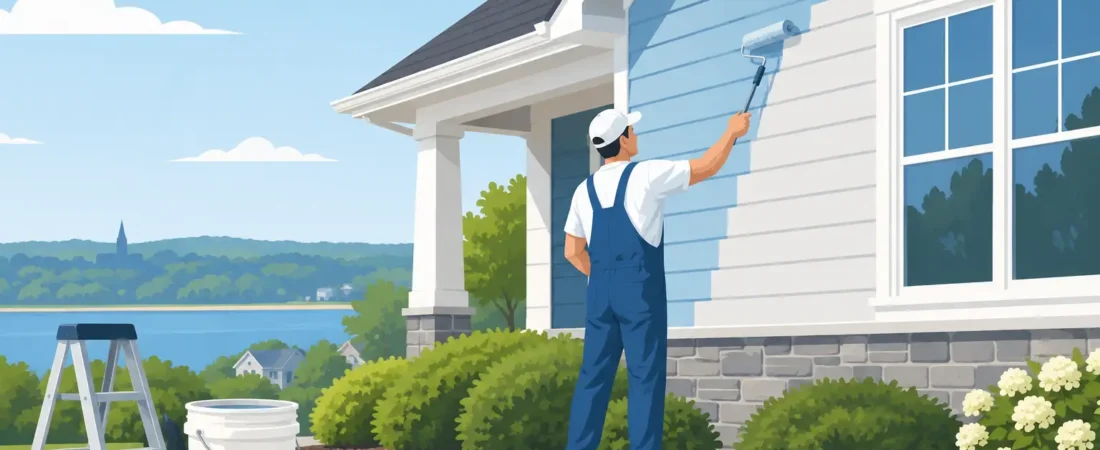
A peeling fascia board, faded siding, or bare spot near a window is more than a cosmetic problem. In southeast Michigan, exterior house painting Canton homeowners schedule at the right time can protect wood, improve curb appeal, and prevent small maintenance issues from becoming costly repairs. The key is not simply choosing a paint color. It is getting the preparation, scope, and timing right before a brush or sprayer comes out.
A quality exterior paint job should give you a clear picture of what will be cleaned, repaired, primed, painted, and left alone. You approve the plan before work starts. That means fewer assumptions, no vague scope, and no surprise price at the end.
What a Proper Exterior Paint Job Includes
Exterior painting is a maintenance project first and a color project second. Paint cannot solve rot, loose trim, failing caulk, or moisture coming through an unsealed joint. It can temporarily hide those problems, but they will return through the new finish.
A dependable painting scope starts with an inspection of the siding, trim, soffits, fascia, doors, shutters, porch railings, and other surfaces included in the estimate. The painter should identify peeling areas, exposed wood, cracks, nail holes, damaged caulk, and soft spots that may need repair before paint is applied.
From there, the work usually involves cleaning the surfaces, removing loose paint, sanding rough edges, making approved minor repairs, caulking gaps where appropriate, priming bare or repaired areas, and applying the specified paint. The exact process depends on the material. Wood trim, vinyl siding, aluminum, brick, and fiber cement do not all need the same products or preparation.
For example, a home with sound vinyl siding may need washing and a compatible paint system, while older wood trim may need much more scraping, spot priming, and carpentry attention. One is not automatically a better project than the other. The difference should be reflected honestly in the written scope and price.
Why Preparation Determines How Long Paint Lasts
Most early paint failure starts below the topcoat. If the surface is dirty, chalky, damp, loose, or poorly repaired, even premium paint may not adhere as it should.
Cleaning removes pollen, mildew, road dust, spider webs, and surface grime. Scraping and sanding remove loose material and smooth the transition between bare spots and intact paint. Primer gives bare wood, patched areas, and certain stained surfaces a stable base. Caulk helps seal narrow gaps around trim and openings, but it is not a replacement for damaged wood or failed flashing.
Moisture deserves special attention. Paint can blister or peel when water gets behind it through roof leaks, overflowing gutters, missing caulk, poor drainage, or damaged trim. A good plan addresses visible causes when possible. If a repair falls outside the painting scope, it should be explained clearly rather than covered up with paint.
This is also why the lowest quote is not always the lowest-cost choice. A price may look attractive because it excludes prep work, primer, repairs, or cleanup. Comparing written scopes line by line gives homeowners a better view of what they are actually buying.
Timing Exterior House Painting in Canton
Michigan weather makes scheduling matter. Paint needs suitable temperatures, dry surfaces, and enough time to cure before heavy rain, cold nights, or excessive humidity interfere with the finish.
Late spring through early fall is often the practical window for exterior house painting in Canton, but the calendar alone does not decide whether a day is paint-ready. A crew should consider the current forecast, overnight temperatures, recent rain, shade, wind, and the product manufacturer’s application requirements. A sunny 75-degree afternoon can still be a poor painting day if the surface is wet from morning dew or the temperature is expected to drop sharply after sunset.
Hot direct sun can create a different problem. Paint applied to an overly hot surface may dry too quickly, leaving lap marks or poor adhesion. Wind can blow debris into fresh paint and make spray application unsuitable near landscaping, cars, or neighboring properties. The right method and schedule depend on the home and conditions, not a one-size-fits-all promise.
If weather delays the project, clear communication matters. Rushing to finish during unsuitable conditions can cost more than waiting for a better workday.
Choosing Colors That Work With the Property
Color changes can make a home look refreshed without changing its character. Still, a paint chip viewed indoors is not the same as a full exterior wall in afternoon sun. Test samples on different sides of the home and look at them morning, midday, and evening.
Consider the fixed elements that will remain: roof color, brick, stone, concrete, gutters, window frames, and landscaping. A warm gray may look balanced next to tan brick but appear cooler beside a black roof. Bright white trim can look crisp on one home and overly stark on another.
For rentals, resale preparation, and commercial properties, neutral exterior colors often make practical sense because they appeal to more people and are easier to touch up later. For a long-term home, a bolder front door or shutter color can add personality without committing the entire exterior to a trend.
Sheen matters, too. Flat finishes can help hide small surface imperfections on siding, while satin or semi-gloss is often used for trim, doors, and railings because it is easier to clean and gives architectural details more definition. The best choice depends on the surface condition and the look you want.
Questions to Settle Before Work Begins
A painting project runs more smoothly when the details are decided up front. Your estimate should make it clear which areas are included, what preparation is planned, whether repairs are included or priced separately, what paint products and colors will be used, and how the crew will protect landscaping, walkways, windows, and outdoor items.
It is also reasonable to ask how access will work. Gates may need to be unlocked, patio furniture moved, pets kept indoors, and vehicles relocated from driveways or garages. If the project involves a rental or commercial building, decide who will communicate with tenants, employees, or customers about work areas and timing.
For larger jobs, ask how change requests are handled. Once scraping begins, hidden damage can sometimes appear. That does not mean a project should proceed without discussion. The right approach is to show the issue, explain the options, provide the added cost if applicable, and get approval before moving forward.
Make Painting Part of a Wider Maintenance Plan
Exterior paint lasts longer when the surrounding property is maintained. Keep gutters clear, direct downspouts away from the foundation, trim shrubs back from siding, and watch for sprinklers that repeatedly soak a wall. Small habits reduce moisture exposure and make it easier to spot problems early.
Coordinating related work can also save time. A loose handrail, damaged fascia board, clogged gutter, overgrown landscaping, or dirty exterior surface may need attention before painting makes sense. Using one accountable local team for maintenance, cleaning, repairs, and painting can reduce the back-and-forth of managing separate vendors.
Sahel Home Services provides written estimates and clear scopes for property work across Washtenaw and Wayne counties, so homeowners, landlords, and property managers know what is planned before the job begins. Whether the goal is protecting a family home, preparing a rental between tenants, or improving the appearance of a small business, clarity comes first.
Fresh paint should make a property easier to care for, not create another problem to monitor. Start with an honest assessment, choose a scope that addresses the surfaces in front of you, and schedule the work when conditions support a finish built to hold up.